Before the Souvenir Programme: How Show Papers Found an Audience
Show papers helped theatergoers follow performances and carry home a printed reminder, while their surviving details reveal how each event was presented.

A theatergoer slips a folded sheet into a coat pocket after an evening’s performance. The paper may identify the show and its performers, but it cannot replay the voices, timing, or audience response. Theater show papers—handbills and programmes among them—offer a more limited, revealing record: what organizers chose to print for a particular event.
Their form and purpose varied by place, period, venue, and production. A handbill might advertise an event; a programme might help an audience follow it. Those labels were not always used consistently, and a single sheet could serve both purposes. Reading the object in its own context is more reliable than treating either format as universal.
Handbills and programmes
In a specific example, an imagined handbill for a touring troupe might name the troupe, venue, performance title, and date. Its prominent lettering could draw attention to the event, while the practical details told a passerby where to go. This describes a possible design, not a claim about all handbills or any particular surviving item.
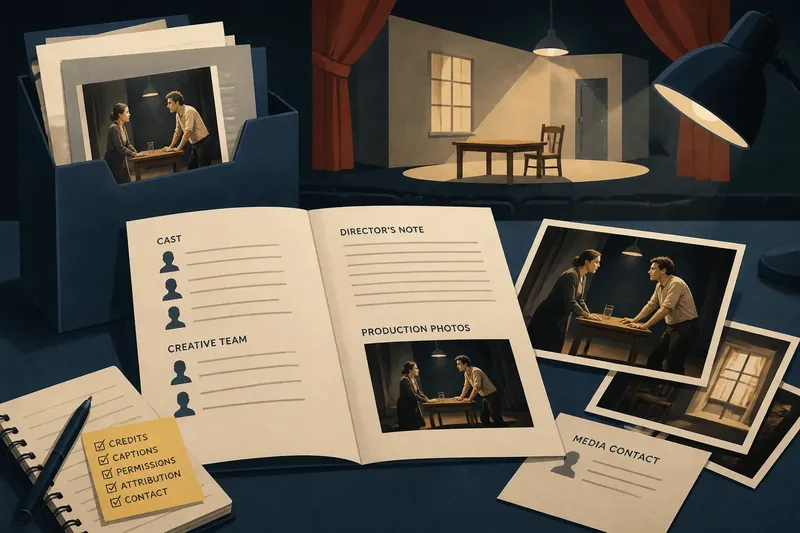
A programme could instead list performers, acts, or the order of an evening. The details depended on the production and the people preparing the sheet. Some papers were brief; others used folds or additional space for more information. The terms “handbill” and “programme” can describe common functions, but the printed object itself may combine them.
To identify a paper’s likely purpose, consider its wording and layout together. An address and performance time point toward practical publicity. A sequence of acts or cast names may help orient an audience. Neither clue settles the question alone: a promotional sheet could include a running order, and an audience programme could also advertise the show.
Information on the page
A list of scenes or acts could give spectators a rough map of an evening, especially if a performance moved among different forms. A cast list could connect names with roles. Such information guided attention, but it did not dictate how the live event unfolded; performers controlled its pace and delivery.
Printed credits also reveal choices about whose work appeared on the page. A sheet might name performers, writers, musicians, managers, or supporting acts, depending on available space and editorial decisions. Missing names do not establish that a person played no part. They show only that the printed account did not include that person.
Typography and illustration offer clues about presentation, too. A large title gives the event visual prominence; a crowded block of text may reflect an effort to fit many details onto a small sheet. These features can help a reader describe the document’s design, but they do not prove how an audience interpreted it.
From paper to keepsake
A programme could leave the venue with a spectator and later prompt a memory or conversation. Its title, venue, cast, or order of acts might help the holder recall an evening. The sheet preserves those printed clues, not the performance itself. Creases, stains, and handwritten notes add evidence of handling, but their meaning depends on context.
Imagine a spectator leaving an invented variety performance with a folded programme that lists several acts. At home, they write “favorite singer” beside one name, then show the sheet to a friend. The note identifies what the spectator chose to remember; the printed list supplies a starting point for retelling the evening. Neither the note nor the programme establishes how other people experienced the show.
A handbill could also become a keepsake, even if its first purpose was to invite attendance. Conversely, a programme might be discarded after the performance. The object’s role depended on how it was used and kept, not just on the name printed on it or later assigned to it.
Reading show papers?
What is the difference between a handbill and a programme?
A handbill commonly promoted an event, while a programme commonly listed its contents or participants. Because one sheet could do both, examine its text and layout rather than relying on the label alone.
What can a programme tell us about a show?
It can document the title, credited people, and information organizers chose to print. It cannot, by itself, establish every onstage event or the audience’s response.
Why might someone keep a handbill?
A handbill might be kept because its image, wording, or event details mattered to its owner. Its survival does not show that every recipient treated such papers as souvenirs.
How should a fragile programme be handled?
Avoid forcing folds or writing on a fragile paper item. For an object with uncertain condition or value, ask a qualified paper conservator or local archive for handling and storage advice.
What the record omits
Every printed account is selective. A short sheet may leave out contributors, practical arrangements, or details that seemed obvious to its original audience. A synopsis may simplify a story, while promotional language may present a show in favorable terms. Treat those choices as part of the document’s evidence, not as a complete account of the event.
For a careful reading, note what is present and what remains uncertain. Record the exact title and names as printed; distinguish a listed act from an independently confirmed event; and describe visual features without assigning them an unsupported meaning. When the date or venue is unclear, say so rather than filling the gap with an assumption.
- If the sheet names a venue, record that printed name; if it does not, leave the location unidentified rather than guessing.
- If a date appears, transcribe it as printed; if the date is missing or ambiguous, mark it as uncertain rather than assigning one.
- If performers are credited, distinguish their printed roles from any role you infer; if no role is given, record the name without adding one.
- If acts appear in sequence, describe that order as printed; if the sheet has no sequence, do not infer a running order.
- If an illustration or border is visible, describe its subject and placement; if its meaning is unclear, avoid claiming it represents a specific scene or performer.
- If a handwritten note appears, identify it as a later annotation only when there is evidence for that distinction; if its timing is unknown, label it simply as handwriting of uncertain date.
These distinctions keep a small document useful without asking it to answer questions it cannot settle. Theater show papers can show how an event was named, organized, and presented in print. Their omissions and uncertain details are part of the record, too.