How Red Carpet Images Turn Arrivals Into Stories
Red carpet images can turn a brief arrival into a larger story. Learn to read poses, framing, captions, and visual cues without overclaiming.
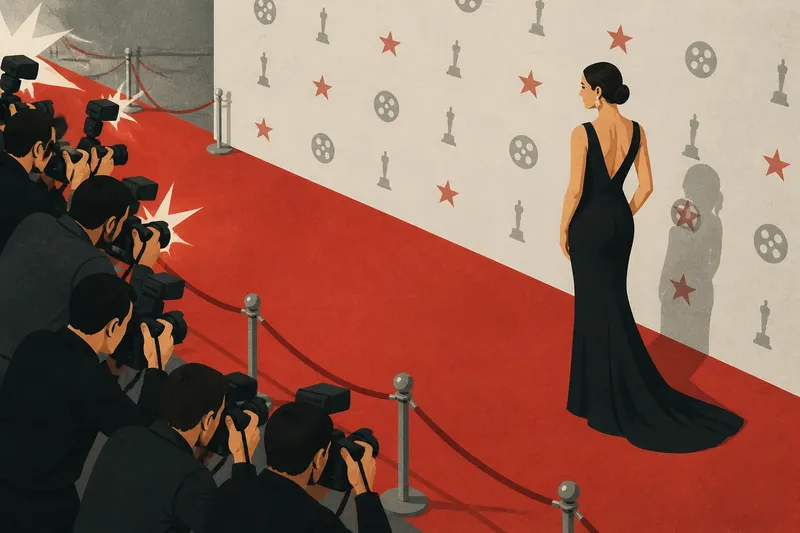
A silver backdrop, a row of photographers, and a guest pausing to pose can make an arrival look like the main event. Red carpet images often become shorthand for premieres, awards, and celebrity relationships, even though their visual grammar is built around a brief camera-facing moment.
Red Carpet Images
A red carpet is both a place and a publicity format. It gives photographers a recognizable setting where guests can be identified, photographed, and associated with a film, award show, brand, or other occasion. The images that circulate afterward turn that encounter into a compact story.
That story is shaped by familiar visual cues. A step-and-repeat backdrop supplies names and logos. A pose signals that the guest has stopped for photographs. A close-up emphasizes clothing and expression, while a wider shot may include cameras, event staff, or other arrivals. These choices do not make an image false; they make it selective.
Poses And Signals
Photographers and guests share a simple visual routine: arrive, pause, face the cameras, and move along. The routine creates images that are easy to recognize and publish. A turn toward the backdrop can make a sponsor visible; a paired pose can foreground an association between two people.
Those cues communicate public presentation, not necessarily private intent. A smile is visible, but it does not establish a person’s lasting mood. Two guests standing together show a shared pose, not the nature of their relationship. Describe the action on the carpet before assigning meaning to it.
Clothing And Branding
Clothing often carries much of a carpet image’s meaning. Color, silhouette, jewelry, and styling can signal formality or make a look stand out against the backdrop. The image may then circulate through fashion coverage, where the outfit becomes the central subject rather than the event itself.
Logos and signage work similarly. They connect a guest to a named event or sponsor, but visibility alone does not establish an endorsement or explain the terms of any partnership. For example, imagine an invented photo of a singer posing beside a streaming-service logo at a premiere. The visible facts are that the singer posed at that branded event; the image alone does not show whether the singer promoted the service or had any separate commercial arrangement.
How Do Carpet Images Work?
Why do guests pause for photographers?
The pause gives photographers a clear view and gives event coverage recognizable images of arrivals. It also makes a busy entrance easier to represent in a single frame.
What does a step-and-repeat backdrop do?
It places event names, film titles, or sponsor logos behind the guest. The backdrop identifies the visual setting, but it does not explain every activity at the event.
Does a pose show a personal relationship?
A pose shows how people appeared together for that photograph. It cannot, by itself, establish closeness, conflict, or what the people said outside the frame.
Why do the same carpet photos appear in different stories?
A clear image can serve several editorial purposes, from fashion coverage to a report on a premiere. Headlines and crops can shift its emphasis even when the photograph itself is unchanged.
Reading The Frame
To describe a carpet image precisely, check each visible cue and let the result guide your wording:
- Backdrop: If an event name is legible, identify the setting as the named event; if it is not, describe the backdrop without guessing the occasion.
- Pose: If a guest faces the cameras, say they posed; if they are moving through the frame, describe the visible movement instead.
- People: If two guests stand together, report that they posed together; if their connection is not identified, do not assign a relationship.
- Clothing: If a detail is plainly visible, describe its color or style; if the image is unclear, avoid naming a designer or garment type.
- Logos: If a logo is readable, name the brand as part of the setting; if not, call it a branded backdrop without inferring endorsement.
- Crop: If the frame shows only a close-up, limit the description to what it includes; if a wider image is available, use it to mention visible surroundings.
One Arrival, Two Captions
Imagine an invented photograph showing an actor in a blue suit, standing alone in front of a film-title backdrop. The starting information is limited to the image and a caption naming the movie premiere. First, note the observable details: the actor is facing the camera, the suit is blue, and the film title appears behind them. Next, compare two possible captions: “Actor poses at the premiere” describes the visible scene, while “Actor celebrates a career-changing role” adds a claim about personal meaning. The first caption fits the available information; the second would need support beyond the photograph.
This distinction matters because publicity images often travel farther than their original captions. A photo can be reused in a fashion story, a cast feature, or a report about an event. When the accompanying language changes, the image may seem to tell a different story even though the pictured moment has not changed.
From Arrival To Event
The carpet is usually one part of a larger occasion. A premiere may also include a screening, interviews, or a reception; an awards evening may continue with a ceremony and later gatherings. Carpet images can establish that a person appeared for photographs in a particular setting, but they do not show what happened in other parts of the program.
For a fuller account, match the source to the question. An event program can identify the announced schedule. A report from inside the venue can describe the screening or ceremony. An interview can document what someone said. Each source adds a different kind of information, so keep the claim no broader than the evidence supporting it.
Red carpet images are most revealing when read as crafted public appearances: clothing, logos, poses, and framing work together to make an arrival legible and memorable. The useful distinction is not between a true image and a false one, but between the moment the camera presents and the larger story that other evidence would need to establish.